-1.png?width=2000&height=2000&name=UNION%20EAP%20LOGO%20-%20FULL%20LOGO%20(3000%20x%203000%20px)-1.png "Union EAP Members Matter")
.png?width=3000&height=3000&name=UNION%20EAP%20LOGO%20-%20ICON%20(3000%20x%203000%20px).png "UNION EAP ICON")

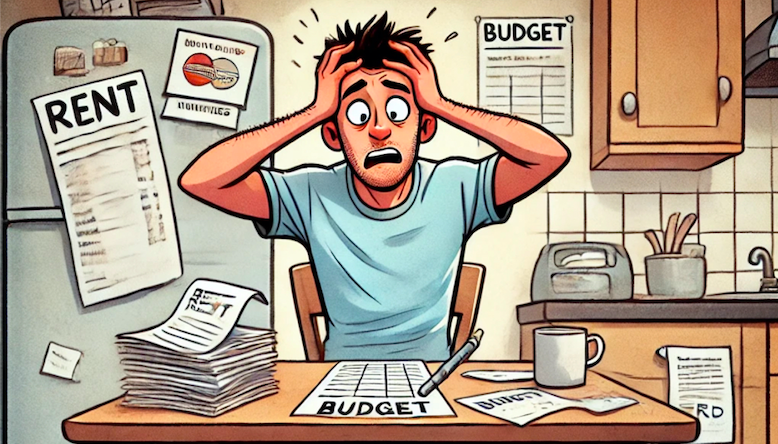
Stress is a normal part of modern living.
There are two primary forms of stress: acute stress and chronic stress.
Acute stress happens when we experience a significant event that causes distress in a short period of time. Chronic stress is persistent, long-term pressure that lasts for weeks or longer. In modern times, the type of stress that is most common is chronic stress, unfortunately this is the type of stress that carries the greatest risks.
Every aspect of health is impacted by chronic stress. It negatively impacts sleep, blood pressure, weight and mental health, and weakens the immune system (LeWine 2024). It even affects the brain itself, impairing memory, concentration and decision-making.
When we remain in a chronically stressed state, our nervous system begins to misinterpret ordinary situations as threats. We perceive danger even when no real danger is present. This distorts how we think, react, and relate to others, often negatively impacting relationships, work performance, and our ability to rest.
Our ability to respond to stress is an important component of our mental health.
Stress is not just emotional, it is physiological. When we are stressed, our heart rate increases, breathing quickens, muscles tense and sweating may begin. These responses are part of the body’s survival system. While this system is helpful in short bursts, it becomes harmful when activated continuously.
Because stress is such a powerful physical and mental experience, it can be difficult to know how to manage stress in healthy ways. Many people manage stress by looking for an immediate relief or escape. This often leads to unhealthy ways of coping with stress such as overeating, drinking alcohol, using drugs, avoidance, digital escapism, self-blame, lashing out or overworking. These short-term relievers often lead to more stress long-term and additional issues.
How can we manage stress in healthy ways?
- Focus on your breathing. Because stress is a biological response, it must first be addressed physically. One of the fastest ways to calm the nervous system is through intentional breathing. Slow, deep breathing signals to the brain that you are safe. Even a few minutes of focused breathing can interrupt the stress cycle and help you respond more thoughtfully rather than react impulsively.
- Address nutritional deficits. We are literally what we eat. Poor nutrition can intensify stress responses by destabilizing blood sugar, disrupting hormones, and limiting the nutrients our brain needs to function properly. Prioritizing whole foods such as lean proteins, fruits, vegetables, healthy fats, and adequate hydration help support the body’s ability to regulate mood and energy. When the body is nourished, the mind is better equipped to cope.
- Lean on friends and family for support. Humans were never designed to carry stress alone. Healthy relationships serve as a protective buffer against chronic stress. Talking through concerns with trusted friends or family members helps regulate emotions and provides perspective. Just the presence of someone who cares can reduce stress. Solutions are not always useful, simply processing with another person can be very healing.
- Set clear boundaries. One of the greatest contributors to chronic stress is overcommitment. Without boundaries, we stretch ourselves beyond capacity. Learning to be strategic about where we expend our efforts helps us manage stress better.
- Minimize social media and screen time. These things add unnecessary stress. It overexposes us to too many ideas. We were never meant to carry the concerns of the whole world. Reducing screentime allows our brains to rest.
- Have fun. Laugh, dance, play, create. When we move our bodies freely, it communicates to our bodies that we are safe. When we engage in activities that bring us joy, our brains release chemicals that counteract stress hormones such as cortisol. Fun restores balance and reminds us that life is not only about chores, paying bills, relationship stress, or work deadlines, but also about joy, relaxation, and being carefree.
- Exercise consistently. Exercise can help prevent, reduce and manage stress. Physical movement lowers stress hormones while increasing endorphins, improving sleep and stabilizing mood.
Stress is a normal part of life. It is only when we manage it poorly that we develop lasting negative impacts from it. The fact is: most of us are not taught how to deal with the powerful responses our bodies have to stress and can often rely on short-term fixes to address it. Deciding not to be controlled by stress is empowering. Union EAP is here to help you take your power back from stress.
Don’t be afraid to reach out. You don’t have to solve it alone.
LeWine, H. E. (2024, April 3). Understanding the stress response. Harvard Health; Harvard Health Publishing. https://www.health.harvard.edu/staying-healthy/understanding-the-stress-response