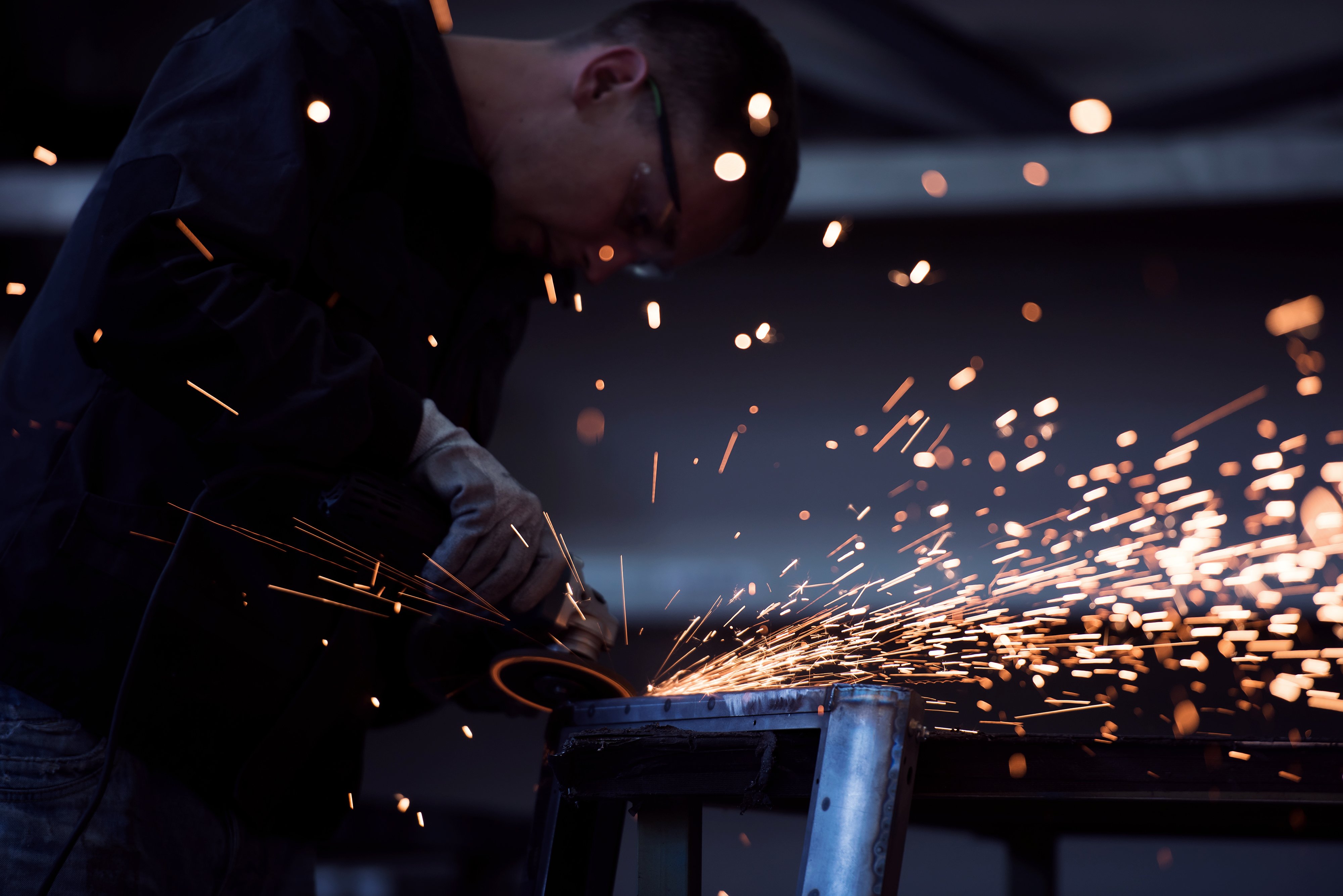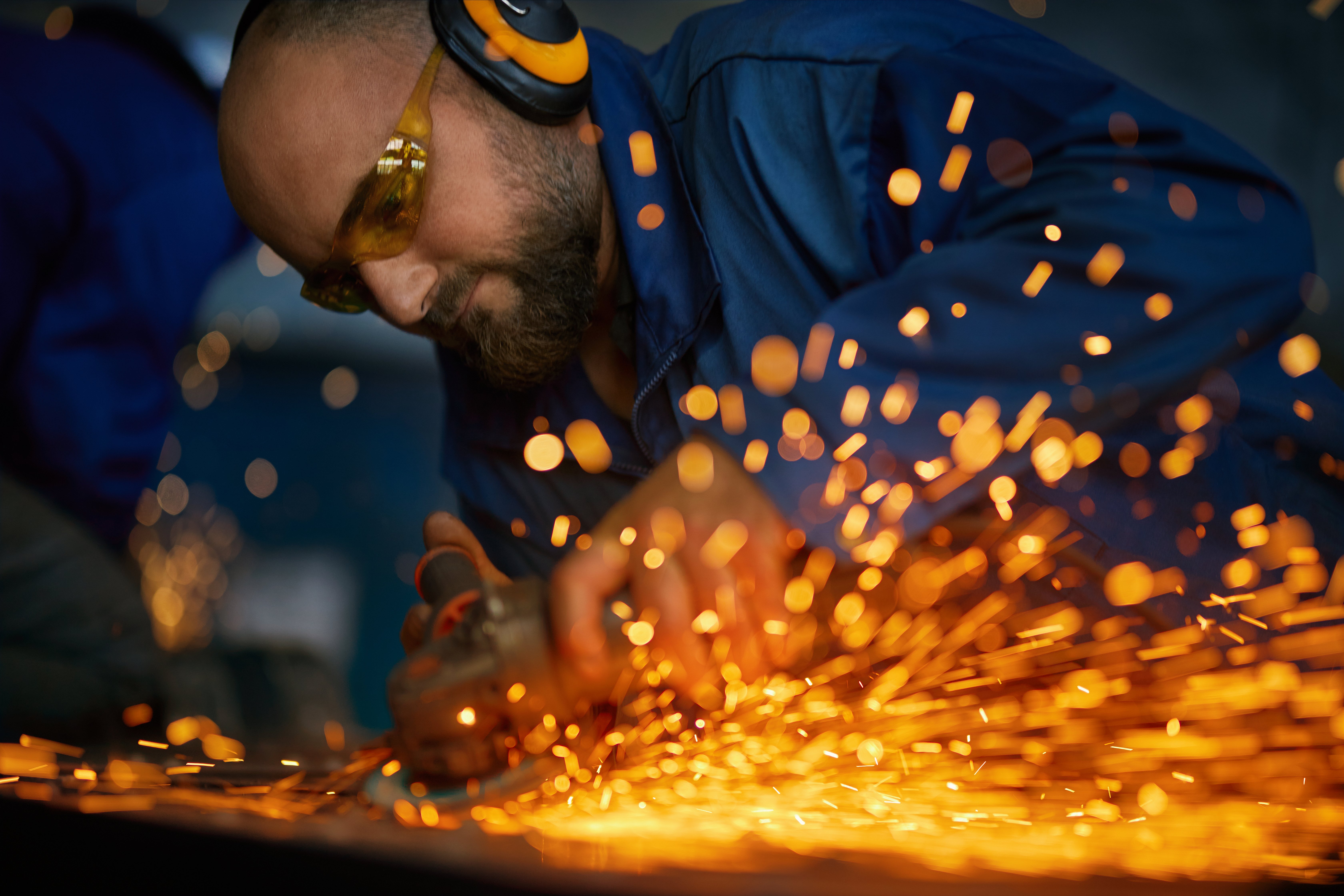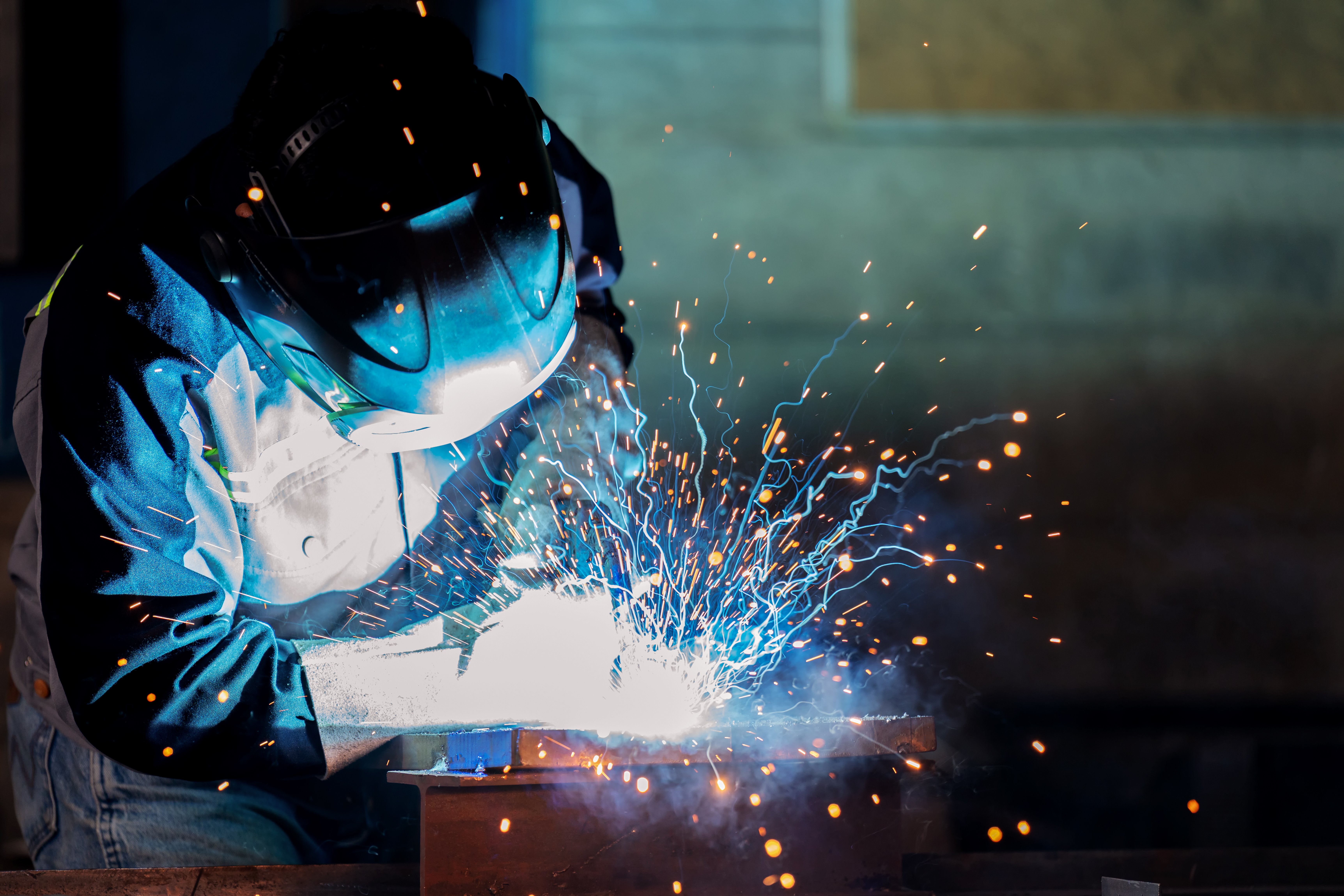
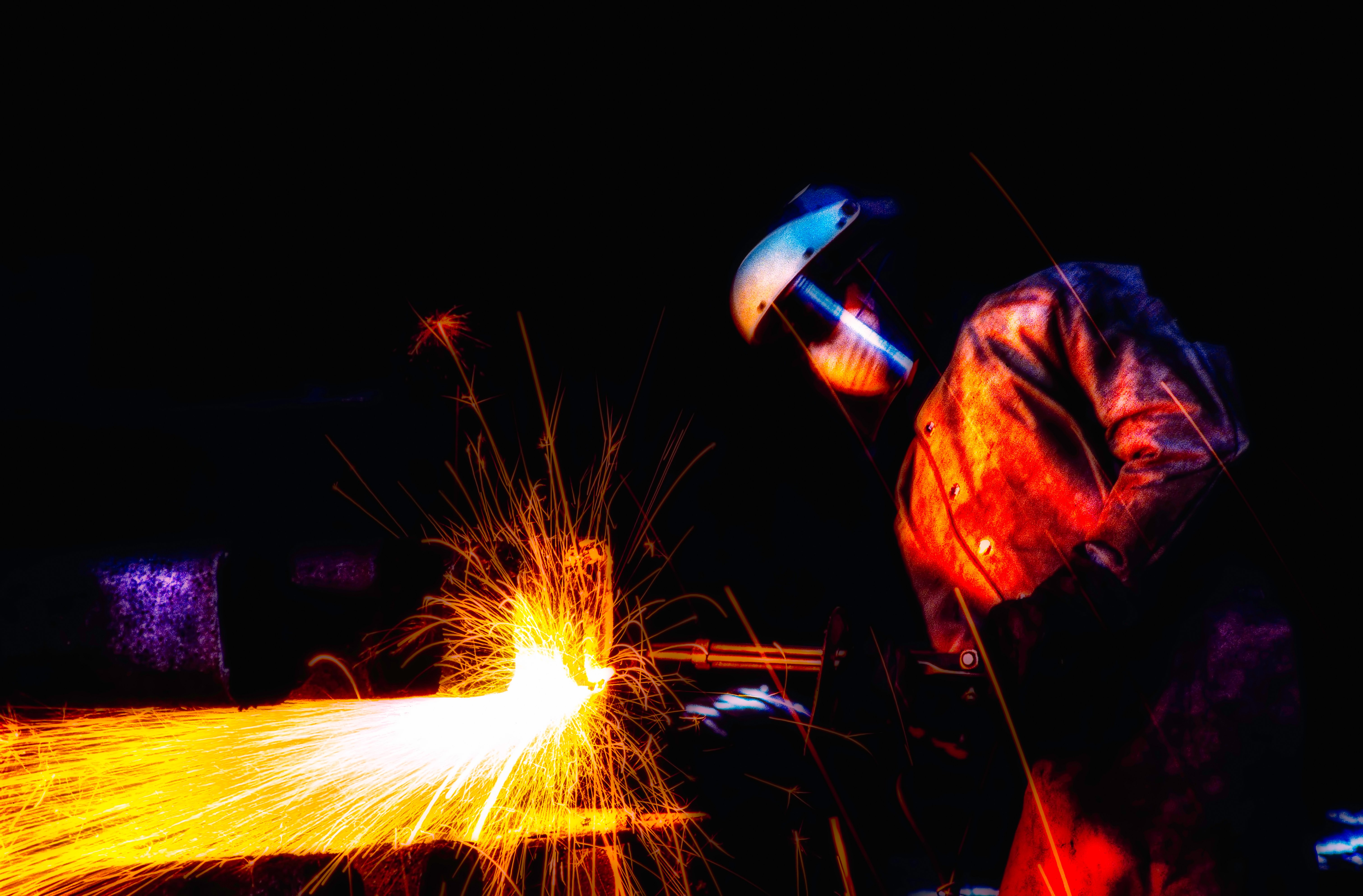
One of the first lessons Mike* learned when he started his apprenticeship was focused on safety. Before they taught him how to cut sheet metal, they taught him hazard awareness, proper equipment operation, and the mandatory use of Personal Protective Equipment (PPE) to prevent lacerations, burns, and crush injuries. They taught him how to handle the materials of his crafts safely, machine guarding for shears and brakes, and emergency response procedures.
Specifically, Mike had to go through the mandatory OSHA 30 training before he could learn how to do anything else. While going through the training, he could easily understand the importance of the information to do his job safely and return to his friends and family safely.
After attending a SMART MAP training, an idea popped into Mike’s head. Since safety is a top priority, why is mental health not included in the initial safety training?
Mike is on to something.
The specialized skills required to do construction work does not only require technical skills but also require a focused and peaceful mind. This is why understanding mental health is so important.
What is mental health?
Mental health includes our emotional, social and psychological health.
It influences how we think, feel, act, handle stress, relate to others, and make decisions. Just as physical safety hazards can lead to injuries, mental health challenges can create risks that may increase the likelihood of accidents and mistakes on the jobsite.
Union laborers and construction workers face unique pressures every day. Long hours, physically demanding work, unpredictable schedules, weather conditions, financial stress, family responsibilities, and concerns about job security which can all take a toll. Unfortunately, many suffer in silence because of the stigma surrounding mental health.
45% of construction workers say they “feel ashamed to talk about mental health issues” (Phillips).
The reality is that mental health is a safety issue.
A mentally distracted worker is more likely to make mistakes. A fatigued worker may have slower reaction times. Someone struggling with depression or overwhelming stress may have difficulty concentrating, communicating effectively, or following established safety procedures.
In an industry where one mistake can result in serious injury or death, mental health matters.
The construction industry has made tremendous progress in promoting physical safety over the years. Hard hats, safety glasses, fall protection systems, carefully laid out machine handling procedures, and comprehensive safety training have become standard practice. These measures save lives every day. However, protecting workers should extend beyond physical hazards.
Creating a culture that values mental health does not mean lowering standards or reducing accountability. In fact, it strengthens safety performance. Workers who feel supported are often more engaged, focused, productive, and committed to performing their jobs carefully and precisely.
Members can communicate better, look out for one another, and effectively intervene with resources when they see someone is struggling.
Labor unions take pride in taking care of their own. Mental health awareness is simply another way of doing that.
This is why Sheet Metal Occupational Health Institute Trust (SMOHIT) has not taken this concern lightly and provides Peer-to-Peer training to address mental health concerns all over the country. If you have not attended a training session yet, look out for upcoming classes in your area or ask to host one at your local today.
Check out the SMOHIT website for more details on upcoming SMART MAP trainings: https://www.smohit.org/smart-map/upcoming-classes/
Never forget that Union EAP is here to support you with all of your mental health concerns and everyday struggles 24/7/365 via call or text at 855-500-1915.
Phillips, Zachary. “To Aid Construction Worker Mental Health, “Model
Vulnerability.”” Construction Dive, 30 Oct. 2025,
www.constructiondive.com/news/clayco-study-mental-health-construction/804174/.